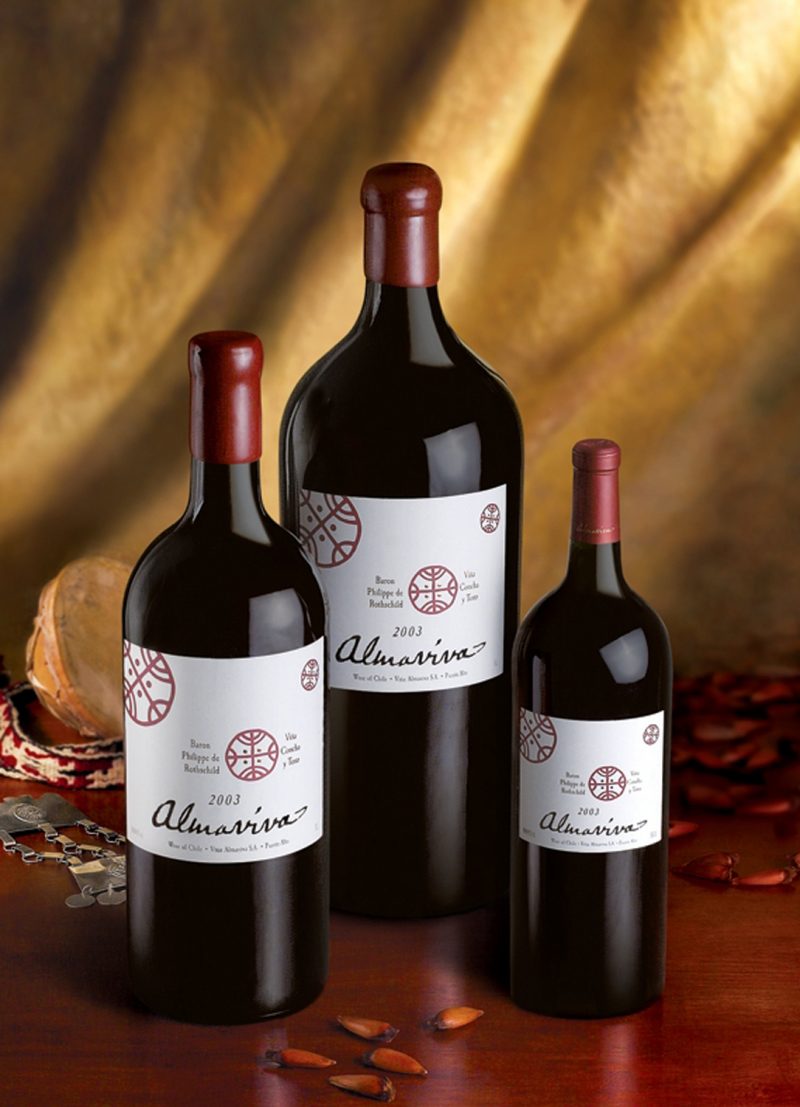
Le nozze di Figaro, the most brilliant of comic operas, is a masterpiece of harmony, structure, musical richness and Mozart’s genius. Bangalore had the opportunity to taste a premium wine from Chile named Almaviva, after one of the principal characters in Mozart’s opera.
In 1997, the Baroness Philippine de Rothschild, Chairman of the Advisory Board of Baron Philippe de Rothschild, SA in collaboration with Eduardo Guilisasti Tagle, Chairman of Vina Concha Y Toro, Chile’s largest wine company, chose the Maipo Valley, with its stony soil, cold, rainy winters, hot days and cool summer nights as the location for the creation of a premium wine. The ultra modern winery designed by the Chilean architect, Martin Huntado, was inaugurated in 2000.
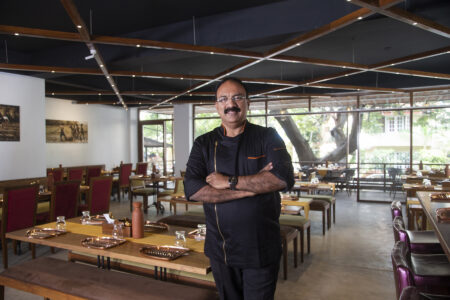
The Masala Klub, at the Taj West End was the setting for the rare opportunity of a vertical tasting of Almaviva – 1999, 2001, 2003,2006. Chile has been steadily gaining in reputation as a source of outstanding wines, and it was with justifiable pride that Diego Garay, Commercial Manager, Almaviva, informed the small gathering at Masala Klub, that their wines sold out within two days of the year’s production coming up for auction.
The evening unfolded in a leisurely manner, and so did the elegance and individuality of the wines. It was a wonderful opportunity to see, and savour, how climatic variations entirely alter the very nature of a wine, and also, how technical expertise can bring in sophistication to the very same raw materials. An element of real interest was the Carménère: a grape that is now practically not to be seen in Bordeaux, but as Robert Joseph, Founder Editor of Wine magazine remarks, is making a strong and distinctive statement in Chilean wines. Also noteworthy is the fact that with the launch of Almaviva came the use of the Premier Orden category – signifying the status of a vin de cru, or single estate wine, in Chile, which still lacks an official system of classification.
The subtly spiced, innovative, elegantly presented menu at the Masala Klub, paired extremely well with all the Almaviva vintages – quite a challenge, with red running through every course, and the entire evening. The small gathering were almost unanimous in their preference for the outstanding 2003, with it’s intense ruby, and notes of plum, blackberry, vanilla, coffee, and cocao. It did not come as a surprise to note, later, that both Robert Parker, and Wine Spectator had awarded the 2003, 95 points.
Tandoori Pink Salmon spiked with bishop’s weed ushered in the 2006. Tandoori Pasliyan, rack of single bone lamb, infused with spices and char grilled was perfect with the superb 2003, and finally, Dum ki Nalli with the 2001 and 1999. All the vintages carried notes of coffee, dark berries, chocolate and tobacco.
This article appeared in Food Lovers Magazine.
Image Credits: Courtesy Almaviva Wines