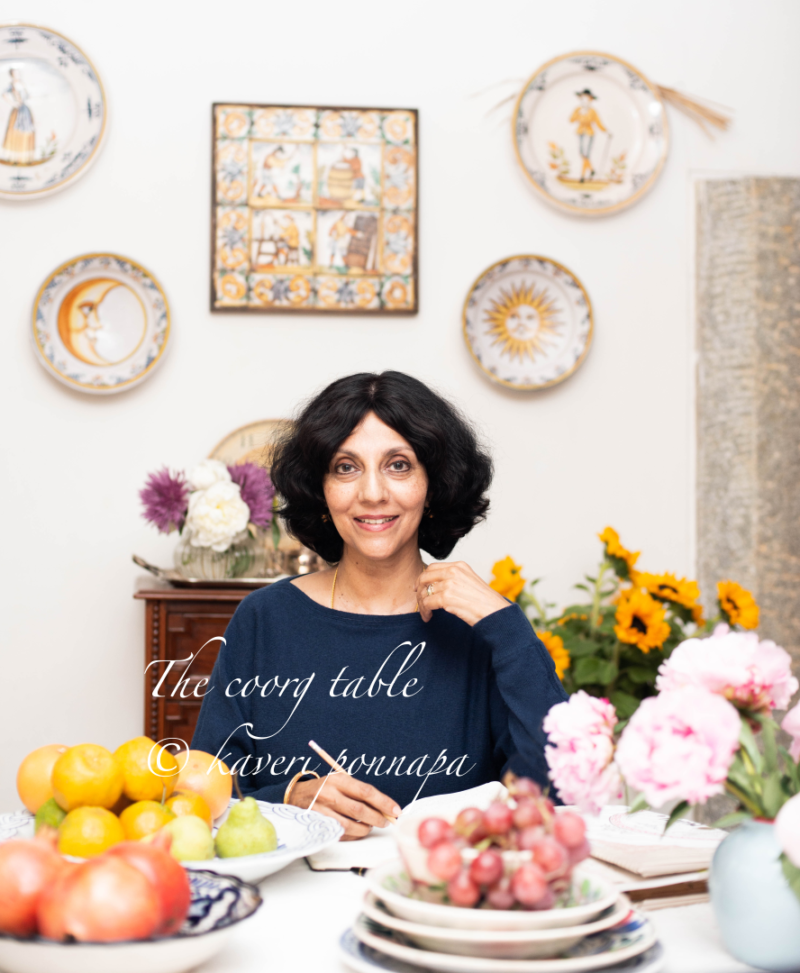
Hello there! In case you are wondering what has been happening at The Coorg Table, here is a quick update. The years of the pandemic swept away the most carefully laid plans, changing the world, and the way we look at it, forever. In the time between the last post on this page, dated over two years ago, and now, I have cooked more than I have ever done before.
Cooking three meals a day became a way to cling to hope, find something to rejoice in every day, and draw confidence in the steady rhythms of the earth that continued to supply us with all that we needed to keep our everyday lives running. Family meals, taken so much for granted in the past became small, everyday miracles, where we sat together and ate and talked, grateful not to have been scattered across the world and held immobile by circumstances.
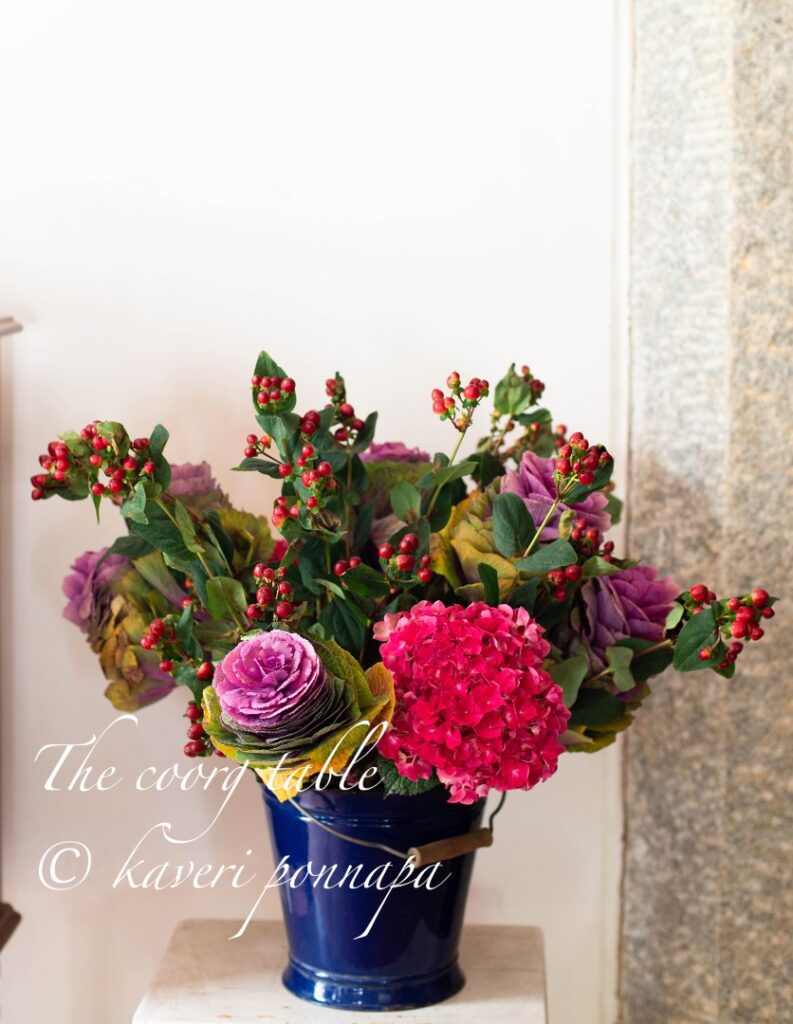
Cooking became a way to anchor oneself in the present, focussing on actions and rhythms that inevitably create the familiar and nourishing, to feed the body and equally the spirit. The table, always important, became the focal point where we met to comfort ourselves that things would get better, and they did. A lot of food was cooked, with a profound sense of appreciation, some of it new, many recipes improvised, and some familiar and much-loved, trying to keep links and connections alive with a past that seemed to be on the verge of being overwhelmed by the present—I served one grandmother’s classic chicken curry with the other’s much-loved Coorg ghee rice. Could there be a greater sense of comfort than serving the two together?
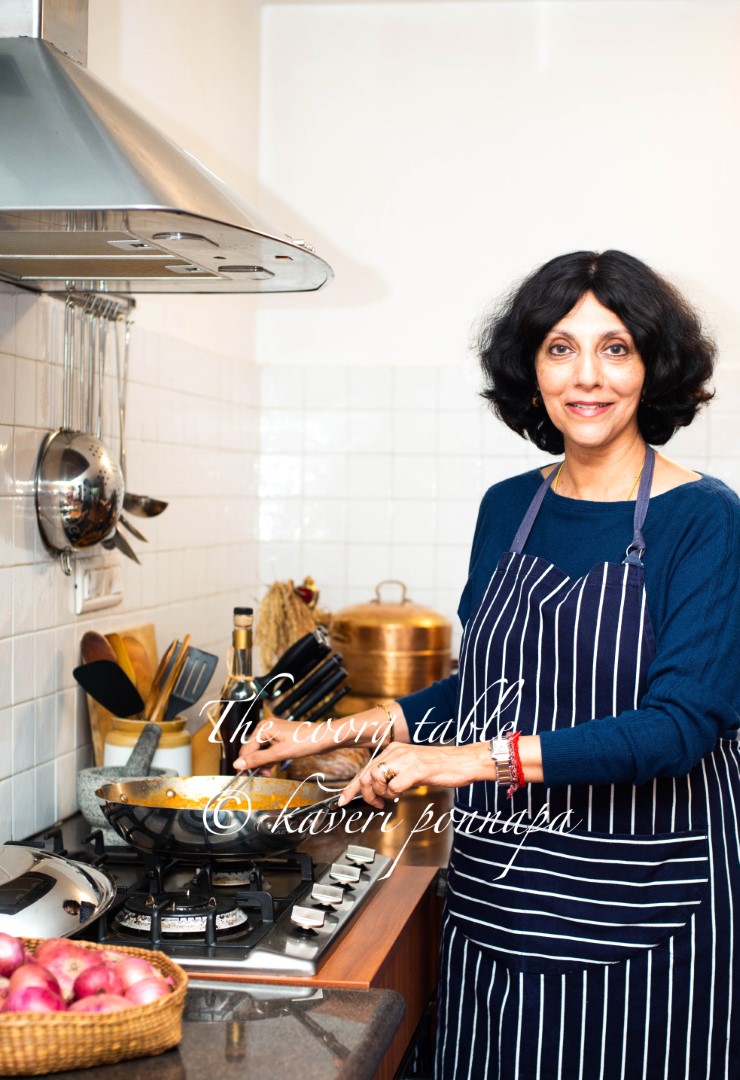
The markets are full of produce again. Our familiar vendors of fruit and vegetable are back. Our plantation in Kodagu, which had become something of a distant dream when travel restrictions were in force is accessible once more, and its casual generosity: citrus, windfalls of wild mushrooms, fiddlehead ferns, madde thoppe, bananas, oranges and so much more is something I appreciate with renewed wonder and gratitude. A few years ago, I wrote these words, and was reminded of them again, as I sat down to write the first post in over two years for my blog: “The table is where we gather, and remember the seasons and what they have to offer; to bring out that treasured bottle of pickle; to share our stories that make us laugh or cry. This is where recipes are exchanged, stamped with the personalities of the women who have created them, recipes that have travelled from house to house and down the generations. The table is where children learn the taste of tradition—and the land. And that a little goes along way, served with love. This is where the offerings of the land and kitchen gardens find their way into the special dishes we long for when we are far from home.”
Never have I felt these words to be truer than in the past two years.
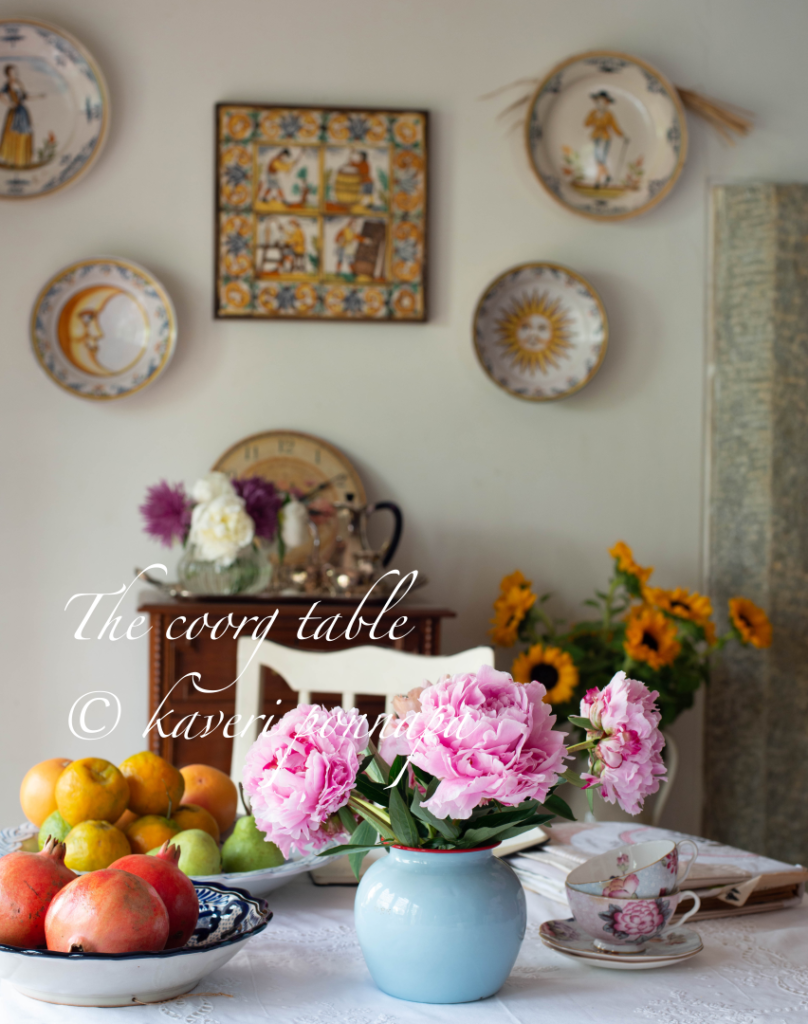

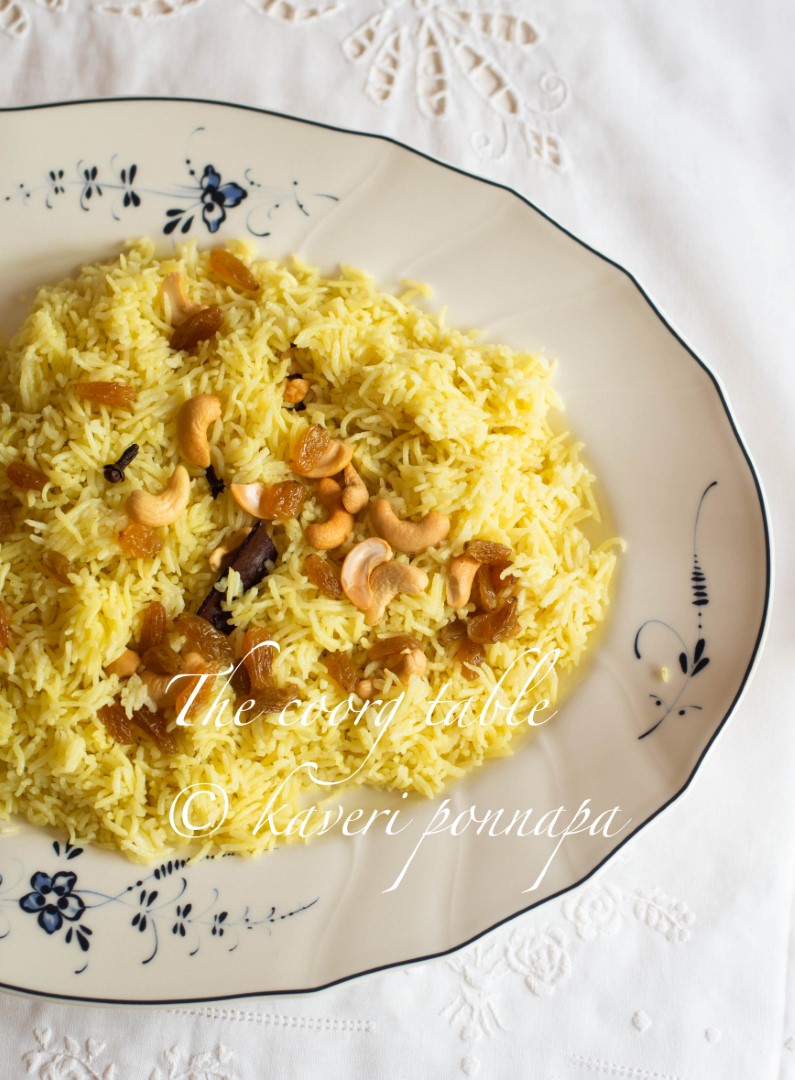
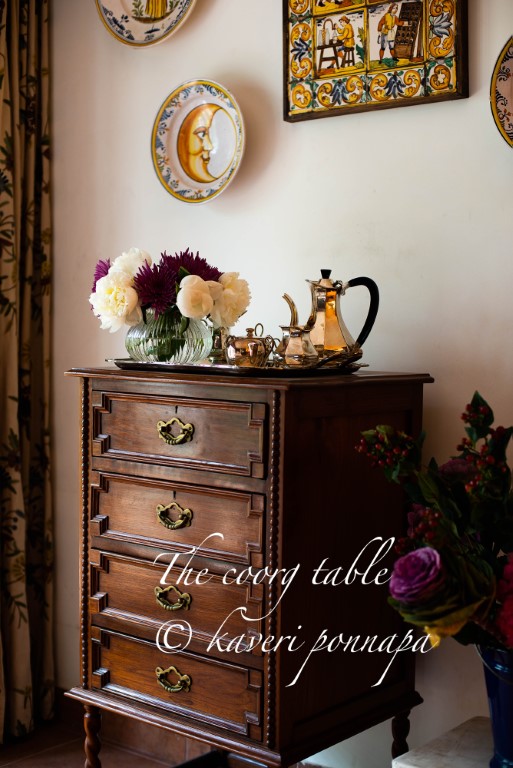
All Food Styling: Kaveri Ponnapa
Photo Credits: A.G.P Sathyaprakash
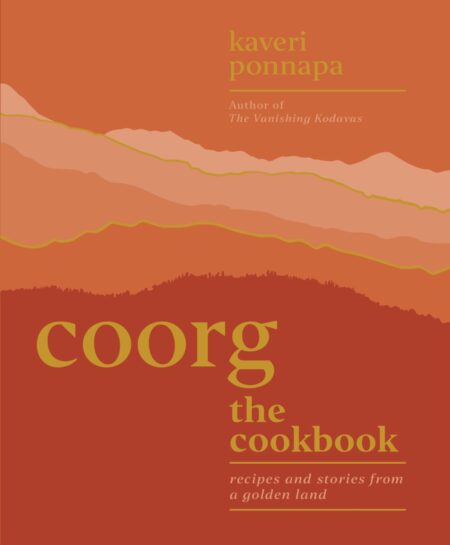
Do look out for the recipes of all the food featured here in my upcoming cookbook.